Moorestown Smile Center

Author name: Dr Aliya Khan DDS

Can Wisdom Teeth Cause Jaw Pain
Oral surgery, Teeth extraction, Wisdom tooth pain

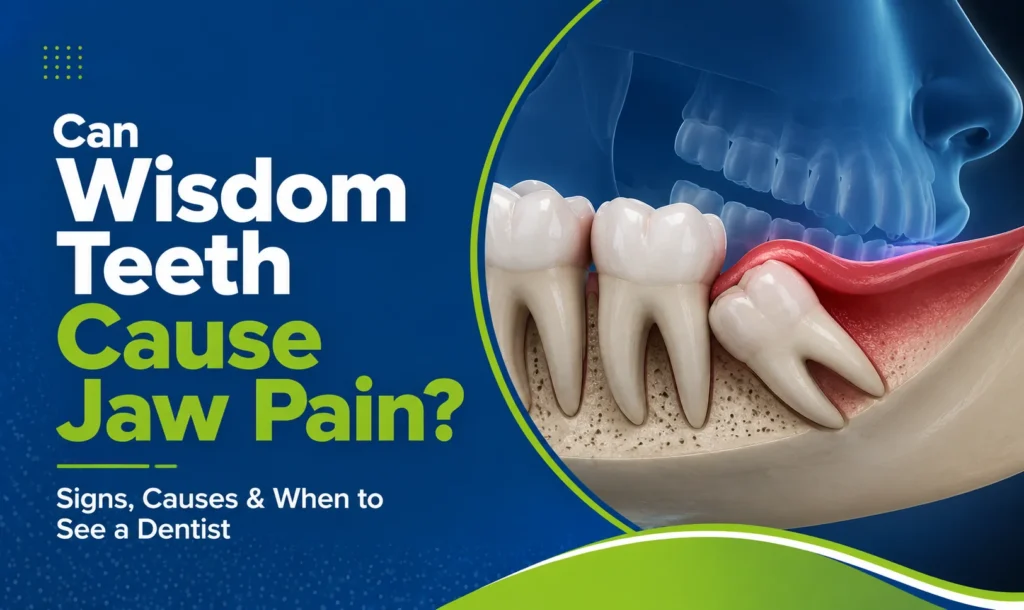
Can Wisdom Teeth Cause Jaw Pain? Signs, Causes & When to See a Dentist

If you’ve been dealing with jaw pain, tenderness at the back of your mouth, or difficulty opening your jaw fully — your wisdom teeth might be the culprit. It’s one of the most common causes of jaw pain in adults aged 17-35. Short answer: Yes, wisdom teeth can absolutely cause jaw pain— especially when they’re impacted, partially erupted, or infected. The pain usually starts subtle and progresses over days or weeks. In this article, Dr. Aliya Khan, DDS — a Columbia University-trained dentist and founder of Moorestown Smile Center in NJ — walks you through the signs to watch for, what causes wisdom teeth pain, when you should see a dentist (vs handle it at home), and how wisdom tooth extraction can permanentlysolve the problem. Let’s start with the basics. When to See a Dentist Urgently! 🚨 Severe swelling that’s spreading to your face or neck🚨 Difficulty swallowing or breathing (this is a medical emergency)🚨 Fever above 101°F — indicates active infection🚨 Pus or bad taste in your mouth🚨 Trismus — inability to open your mouth more than 20mm🚨 Severe pain not helped by ibuprofen or acetaminophen Some wisdom tooth pain requires immediate care. Call Moorestown Smile Center at (856) 638-5266 today (or seek emergency care) if you have: These are signs of active infection or complications that need immediate treatment. Ignoring them can lead to serious complications, including hospitalization. How Much Does Wisdom Tooth Removal Cost? Cost varies based on how complex the extraction is: Typical Cost Ranges in New Jersey: Type of Extraction Typical Cost (Per Tooth) Simple (fully erupted, standard removal) $200 – $400 Surgical (partially erupted) $300 – $600 Impacted (soft tissue) $400 – $700 Fully bony impaction (surgical) $600 – $900 Does Insurance Cover Wisdom Tooth Removal? Yes — most dental insurance plans cover 50-80% of wisdom tooth extraction when it’s medically necessary. At Moorestown Smile Center, we verify your benefits before your appointment. If you don’t have insurance, we offer CareCredit and Proceed Financeoptions. Call (856) 638-5266 for a personalized cost estimate. What to Eat After Wisdom Tooth Removal Days 1-3 (Cool, Soft Foods Only): Days 4-7 (Slightly Warm, Soft Foods): Foods to AVOID for 7-14 Days: Crunchy foods (chips, popcorn, nuts, granola)Sticky foods (caramel, chewing gum, gummies)Very hot temperature foods and drinksSpicy foods (irritates healing tissue)Acidic foods (citrus, tomatoes)Alcohol (delays healing)Small seeds (raspberries, sesame)Straws for at least 10 days FAQ About the Author Dr. Aliya Khan, DDS is a Columbia University-trained dentist andthe founder of Moorestown Smile Center in Moorestown, NJ. With20+ years of experience in cosmetic and family dentistry, shehas helped hundreds of patients achieve brighter, healthiersmiles. Voted Best Dental Practice in Burlington County in2024 and 2025. Learn more →

Can Wisdom Teeth Cause Jaw Pain? Signs, Causes & When to See a Dentist Read Post »

How long does a root canal crown last
Dental crowns, Oral health, Tooth restoration

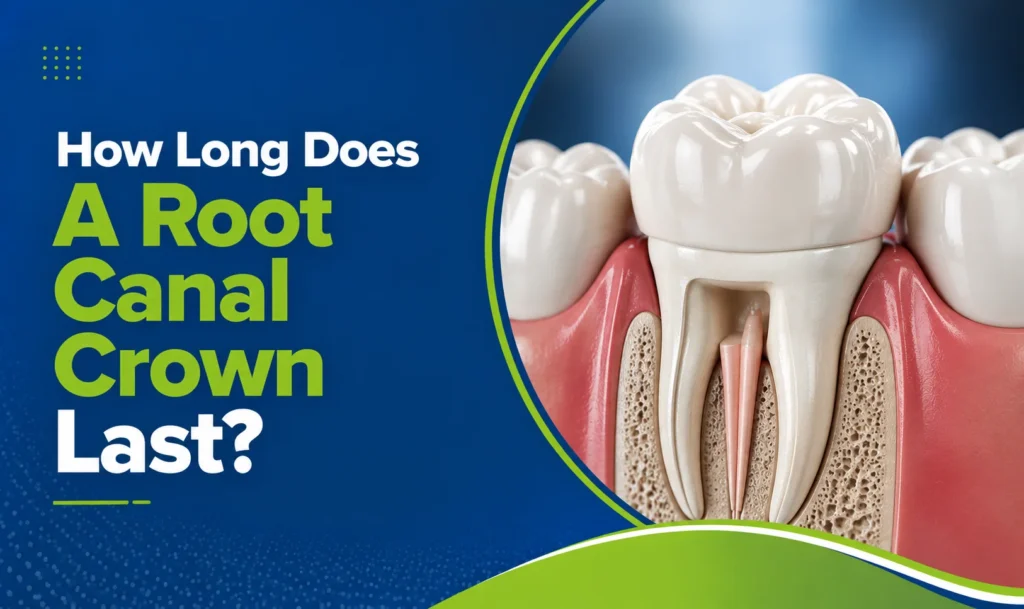
How long does a root canal crown last?

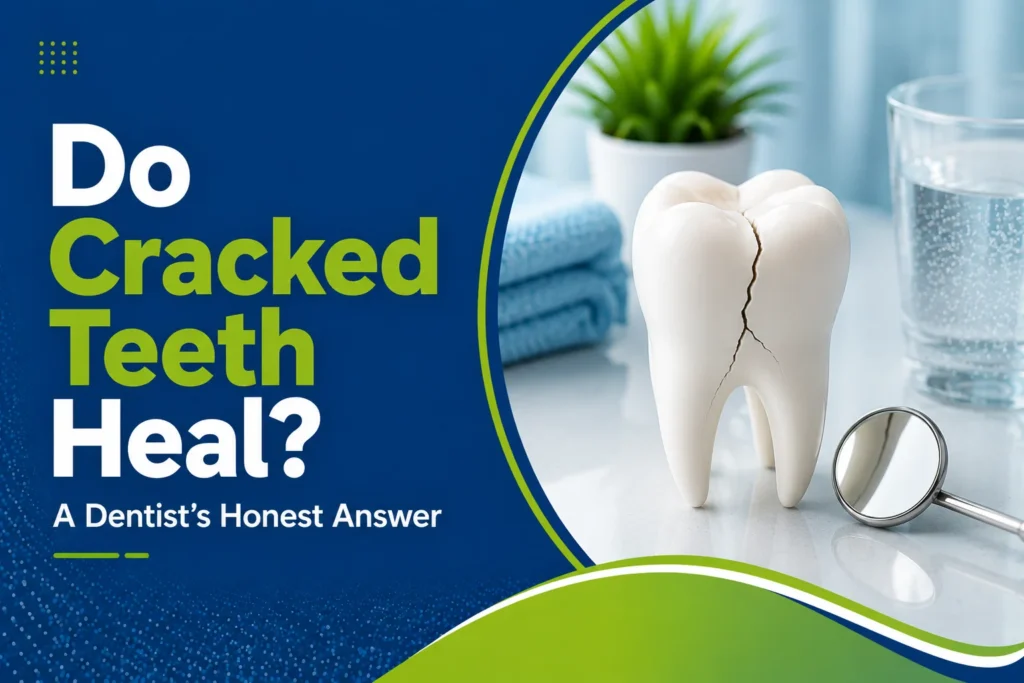
How Long Does a Root Canal Crown Last? A Dentist’s Honest Answer By Dr. Aliya Khan, DDS Written and reviewed by Dr. Aliya Khan, DDS — Columbia University School of Dental and Oral Surgery, 20+ years in practice, Moorestown NJ If you had a root canal years ago and are wondering whether your crown is due for replacement — or you’re considering a root canal and want to know what to expect long-term — you’re asking the right question. Quick answer: Root canal crowns typically last 10-15 years, though many crowns last 20+ years with proper care. Some patients get 25-30 years from a single crown. Lifespan depends on the crown material, your bite forces, and daily habits. At Moorestown Smile Center, Dr. Aliya Khan, DDS explains exactly what determines crown lifespan, when replacement makes sense, and how to make your crown last as long as possible. Root Canal Crown Lifespan by Material Not all crowns are created equal. Here’s how the main types compare: Crown Material Average Lifespan Best For Porcelain-Fused-to-Metal (PFM) 10-15 years Front and back teeth All-Porcelain / Ceramic 5-15 years Front teeth (aesthetics) Zirconia 15-25+ years Molars, high-stress bites Gold 20-40+ years Molars (durability) E.max (Lithium Disilicate) 10-15 years Front teeth (aesthetics + strength) At Moorestown Smile Center, Dr. Khan discusses which material makes the most sense for your specific case — factoring in appearance, budget, and location of the tooth. What Affects How Long Your Crown Lasts? Five main factors determine crown lifespan: 1. Material Type As shown above, zirconia and gold crowns dramatically outlast porcelain crowns. But porcelain looks more natural. 2. Location of the Tooth Back teeth (molars) endure 4-5x more biting force than front teeth. A crown on a molar will typically wear down faster than one on a front tooth. 3. Your Bite Habits 4. Oral Hygiene Crowns don’t decay — but the natural tooth beneath the crown CAN decay. Poor hygiene at the gum line is the #1 reason for crown failure. Brush and floss daily, especially around the crown edges. 5. Regular Dental Visits Regular checkups catch issues before they turn into crown failures. Dr. Khan checks every crown at your comprehensive exam — including X-rays to see under the crown surface. 7 Signs Your Root Canal Crown Needs Replacement Not sure if your old crown needs to be replaced? Watch for thesewarning signs: 1. Pain or Sensitivity — Sharp pain around the crown, especiallywith cold or biting pressure 2. Visible Wear or Chips — You can see damage to the crownsurface 3. The Crown Feels Loose — Any wiggling means the seal hasfailed 4. Dark Line at the Gum — Sign of receding gums or metalshowing through 5. Gum Recession — Gums pulling back from the crown edge 6. Bad Taste or Smell — Could indicate bacteria under thecrown 7. Chewing Discomfort — Pressure sensitivity when biting If you have any of these signs, don’t wait. Call Moorestown Smile Center at (856) 638-5266 for an evaluation. What Happens If a Crown Fails? When a crown fails, one of three things can happen: Best case: Crown replacementIf the underlying tooth is still healthy, Dr. Khan replaces just the crown. Cost: $800-$1,500 depending on material. Middle case: Root canal retreatment + new crownIf bacteria got under the failed crown and reinfected the tooth, re treatment is needed before placing a new crown. Cost: $1,500-$2,500 total. Worst case: Tooth extraction + implantIf the underlying tooth is beyond saving, extraction is needed followed by a dental implant or bridge. Cost: $3,500-$5,000+. This is why catching crown problems EARLY matters so much. How Much Does a Replacement Crown Cost? Crown Type Typical Cost PFM Crown $800 – $1,200 All-Porcelain / Ceramic $1,000 – $1,500 Zirconia $1,000 – $1,800 Gold $1,200 – $2,500 E.max $1,000 – $1,500 Does insurance cover crown replacement?Most PPO dental insurance plans cover 50% of crown replacement if the crown is 5+ years old. At Moorestown Smile Center, we verify your benefits before yourappointment. For patients without insurance or with highout-of-pocket costs, we offerCareCredit financing. 5 Ways to Make Your Root Canal Crown Last Longer Here’s how to get 20+ years from your crown: 1. Brush and floss daily — especially around the gumline 2. Wear a nightguard if you grind your teeth — this alonecan DOUBLE crown life 3. Avoid chewing hard objects — no ice, pens, or nails 4. See your dentist every 6 months — catches problems early 5. Address grinding or clenching — TMJ treatmentif needed When to Get Your Old Crown Checked If you have a crown that’s: Book your next crown checkup with Dr. Khan: (856) 638-5266. Frequently Asked Questions About the Author Dr. Aliya Khan, DDS is a Columbia University-trained dentist andthe founder of Moorestown Smile Center in Moorestown, NJ. With20+ years of experience in restorative dentistry, she hasperformed thousands of root canals and crown placements. VotedBest Dental Practice in Burlington County in 2024 and 2025. Related Reading Is Gum Grafting Worth It? How to Stop Throbbing Pain After a Root Canal Can Wisdom Teeth Cause Jaw Pain?

How long does a root canal crown last? Read Post »

Can Bruxism Cause Headaches
Uncategorized

Can Bruxism Cause Headaches?

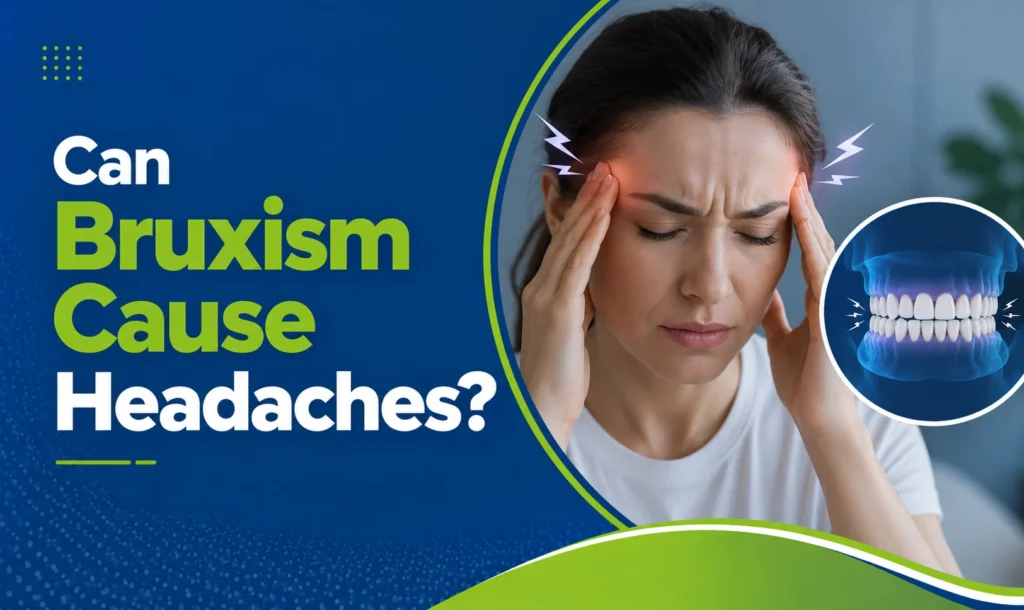
Can Bruxism cause headaches? Signs,Symptoms & Treatments in Moorestown, NJ. Your teeth-clenching or grinding habits might result in bruxism. Clenching your teeth at night results in fatigue of your jaw muscles and the muscles surrounding your temple area. The nighttime transmission of pain signals originates from tightened muscles. The habit results in morning headaches that might usually accompany bruxism. The following blog sections will examine how bruxism leads to headaches while providing guidance on identification and management methods for teeth-grinding headaches. Learning about the reasons behind jaw pain enables you to protect your smile effectively. Treating Bruxism in Moorestown, NJ- Night-guards, TMJ Therapy & More Treatment Intro: If you are waking up with headaches, a sore jaw, or facial tension, you do not have to simply live with it. At Moorestown Smile Center, Dr. Aliya Khan provides effective, non-invasive treatments for bruxism that address both the symptoms and the root cause — helping you wake up pain-free. Night-guards A custom-fitted nightguard is the most common and effective first-line treatment for bruxism. Unlike over-the-counter guards, Dr. Khan’s night-guards are precision-crafted from impressions of your teeth — creating a comfortable, durable barrier that prevents grinding, relieves jaw muscle tension, and eliminates the pressure that causes bruxism headaches. Most patients notice significantly reduced headache frequency within the first few weeks of consistent use. TMJ Therapy For patients whose bruxism is connected to temporomandibular joint (TMJ) dysfunction, targeted TMJ therapy can provide lasting relief. TMJ treatment at Moorestown Smile Center may include bite adjustment, jaw exercises, anti-inflammatory recommendations, and in some cases, a specialized TMJ appliance. By addressing the underlying joint dysfunction, we reduce the muscle tension that triggers both jaw pain and bruxism-related headaches. Stress Management  Because stress is a primary trigger for bruxism, Dr. Khan may also recommend stress-reduction strategies alongside dental treatment — including limiting caffeine and alcohol before bedtime, establishing a consistent sleep routine, jaw-stretching exercises, and staying well hydrated throughout the day. These lifestyle changes work best in combination with a custom night-guard for maximum headache relief. How Long Do Bruxism Headaches Last? The length can change from person to person: Early action is essential. If you ask your dentist for help, they can give you tools to reduce the pain and the time it lasts. When to Get Help from a Healthcare Professional You don’t have to handle this on your own. Talk to your dentist or doctor if you: A dentist can check your bite and jaw joints. A doctor can look for health issues like sleep problems or stress. Both can work together to help you feel better. Simple Tips to Find Relief Here are a few easy steps you can try today: Put on a soft guard at night to shield your teeth and relieve jaw strain. Place a warm cloth on your jaw for 5–10 minutes. This helps relax tight muscles. Rub your temples and jaw in small circles. Do this for 1–2 minutes on each side. Try deep breathing, stretching, or listening to calm music before bed. Maintain a level posture of your head and relaxed shoulders when you stand or sit. These tips can lower the chance of waking with morning headaches or a grinding teeth headache. Easy Ways to Prevent Future Pain Here are some simple habits: Go to bed at the same time each night. Good sleep helps your muscles rest. Gently open and close your mouth 10 times. Then, move your jaw from side to side. Avoid gum and tough meat that makes you chew hard. Drink water all day. Dry muscles can cramp more easily. By doing these, you may cut down on morning headaches and the grinding teeth headache. Conclusion Your daily life can feel brighter when your head and jaw are pain free. Can bruxism cause headaches? Yes, but you can fight back. Watch for sore jaw and headache, talk to a professional, and try simple steps at home. With the right help, you can stop those headaches every morning and get back to smiling without pain. Moorestown Smile Center understands how bruxism affects your life. Our expert Dr Khan and her team is here to restore your comfort and confidence. Call us today at (856) 638-5266 FAQs How long do bruxism headaches last? Mild headaches can go away in a few hours. Stronger ones might last all day or come back the next morning. Will a mouthguard help with my headache? Yes. A soft mouthguard stops your teeth from grinding. This helps your jaw relax and can ease headaches.

Can Bruxism Cause Headaches? Read Post »

Scroll to Top